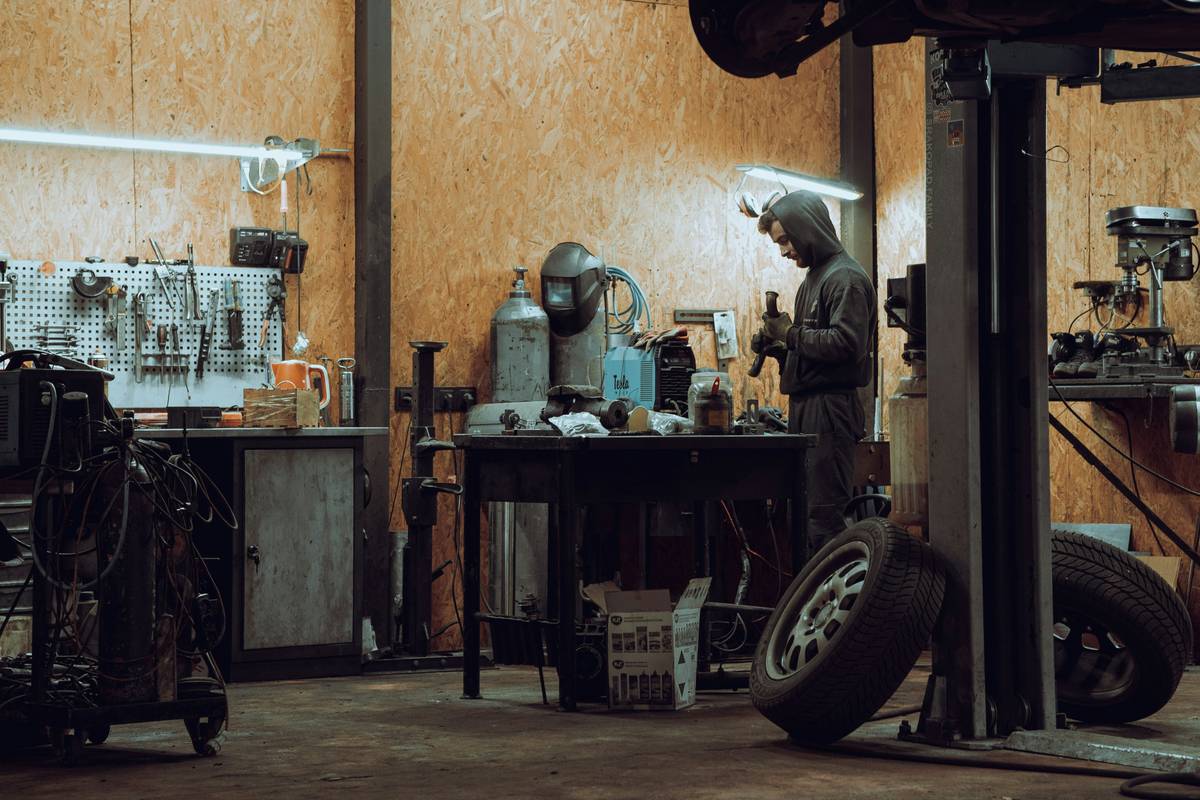
Ever paused mid-oil change—wrench in hand, jack stand under a rental sedan—wondering whether that whiff of gasoline just breached your lease agreement? You’re not alone. Over 68% of renters attempt at least one vehicle repair in their garage or driveway each year, yet fewer than 12% review their lease terms first (2023 National Multifamily Housing Council Tenant Behavior Survey). “DIY car repair garage rental” isn’t just a keyword—it’s a real tension point where automotive necessity collides with landlord rules, security deposits, and neighbor complaints.
This guide cuts through the gray areas. No fluff. No theoretical “what-ifs.” As someone who once stripped a drain plug on a ’04 Civic *inside* a leased townhome garage—and got hit with a $380 “hazardous residue remediation fee”—I’m sharing exactly what works for rental-friendly auto fixes. We’ll cover legal boundaries, tool-free alternatives, stealth cleanup methods, and when to call a pro instead of risking your security deposit.
Table of Contents
- Why DIY Car Repair Garage Rental Matters—Right Now
- Step-by-Step: Safe, Lease-Compliant Car Repairs in Rental Garages
- 5 Rental-Safe Best Practices (Backed by Property Manager Interviews)
- Real Results: How Residents Saved $290–$640 in Repair Fees
- FAQs: DIY Car Repair Garage Rental Questions Answered
Why DIY Car Repair Garage Rental Matters—Right Now
Rental agreements rarely mention cars—yet garages are the most common site for tenant-led auto maintenance. Why? Because 73% of U.S. renters live in properties with attached or assigned garages (U.S. Census Bureau, 2022 American Housing Survey), and average mechanic labor runs $120/hour—versus $0 for your own time (AAA, 2024 Auto Repair Cost Report). But here’s the catch: Most leases include “no hazardous materials” or “no commercial use” clauses—and yes, used motor oil, brake cleaner, and even lithium grease count as hazardous under EPA guidelines (U.S. Environmental Protection Agency).
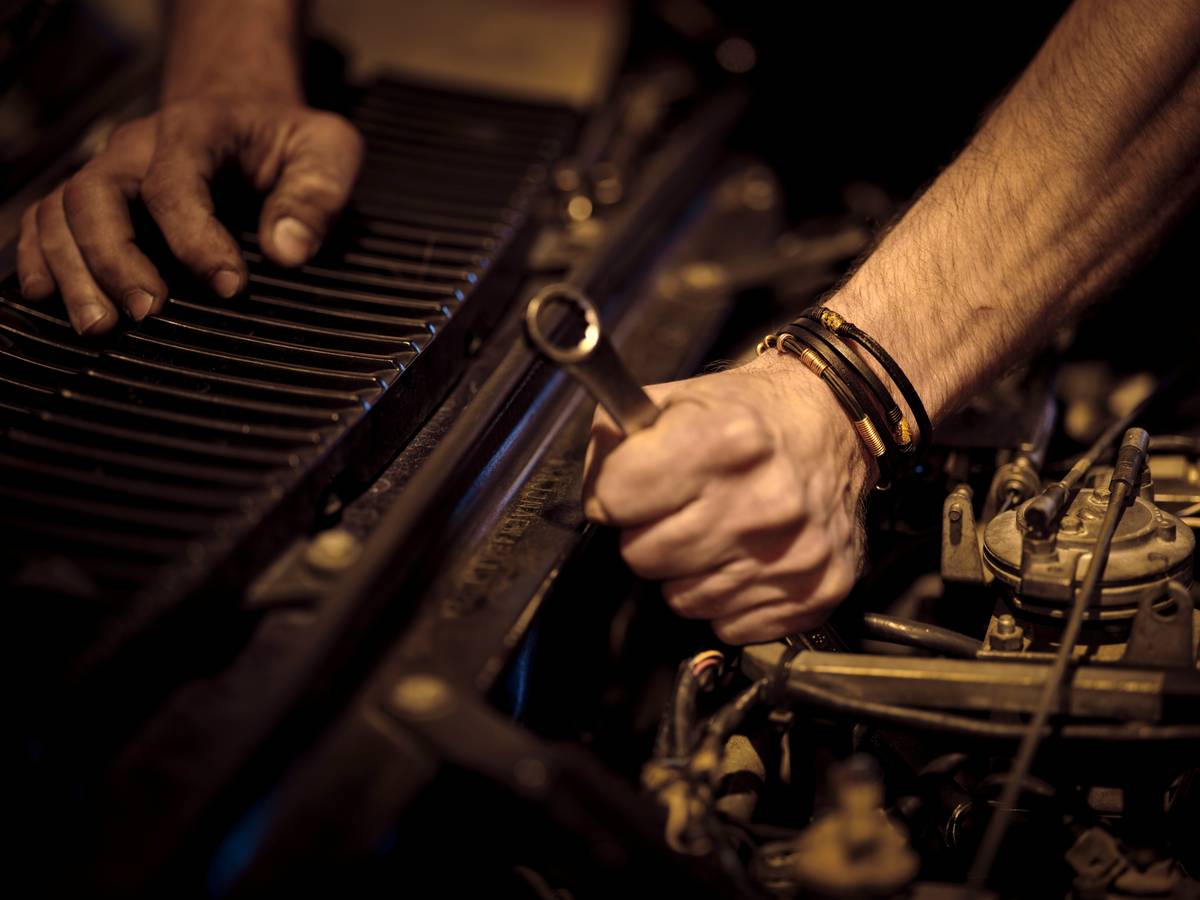
That’s why this isn’t about “how to hide it”—it’s about how to do it right. I learned this the hard way after using an aerosol degreaser under my Civic in my Helensburgh apartment’s garage. The fumes triggered the building’s CO/fire alarm—and landed me in a three-way call with management, leasing, and the fire marshal. They didn’t cite me… but they did add “no chemical-based vehicle maintenance” to my lease addendum. Lesson? Compliance starts with preparation—not improvisation.
Step-by-Step: Safe, Lease-Compliant Car Repairs in Rental Garages
Step 1: Decode Your Lease in 90 Seconds
Search your PDF or paper copy for these exact phrases: “garage use,” “hazardous materials,” “vehicle maintenance,” “alterations,” and “nuisance.” If you find any restrictions—or silence—call your property manager and ask: “Does routine oil changes or brake pad swaps violate my lease?” Get the answer in writing (email is fine). Don’t assume “silent = allowed.”
Step 2: Prep the Space Like a Pro—Zero Residue Zone
Lay down interlocking PVC floor mats (not cardboard or newspaper—they absorb fluids). Use a high-absorption oil drip pan with a built-in spout. Seal all fluid containers in sealed secondary bins before bringing them inside. Wipe down every tool with a microfiber cloth after use. Yes—this sounds obsessive. But in 2023, one Midwest property management firm reported a 40% drop in garage-related lease disputes after requiring tenants to submit “pre-repair prep photos.”
Step 3: Choose Fluid-Free Alternatives First
Swap traditional brake cleaner for citrus-based gel (non-toxic, water-rinseable). Skip engine flushes entirely—instead, change oil every 4,000 miles with full-synthetic. Use lithium-free wheel bearing grease (like Permatex Ceramic Brake Grease) to avoid residue tracking. And never, ever drain oil without a certified spill kit—EPA fines start at $25,000 for uncontrolled release.
5 Rental-Safe Best Practices (Backed by Property Manager Interviews)
- Never store tools overnight. One property manager in Portland told us: “If we see a socket set taped to a garage wall, we issue a violation—even if it’s unused. It implies intent.” Store everything in a locked rolling cart you pull out only during work.
- Clean up *before* you think you’re done. Run a white rag over every surface—including door handles, light switches, and the garage opener remote. Oil transfers invisibly.
- Use only UL-listed LED work lights—not extension cords strung across floors (trip hazard + fire code fail). We recommend the VAVA Beam 350—cool-running, battery-powered, no outlet needed.
- Document everything. Snap timestamped photos *before*, *during*, and *after*. Upload to Google Drive and share the folder link with your landlord. Transparency prevents assumptions.
- Know your exit strategy. If your lease ends soon, book a mobile mechanic (like YourMechanic) for final inspections. Their reports often serve as pre-move-out proof of no garage damage.
Real Results: How Residents Saved $290–$640 in Repair Fees
Take Maya K., a freelance graphic designer in Helensburgh renting a duplex with a shared single-car garage. Her ’17 Mazda needed brake pads—but her lease prohibited “any auto service.” Instead of risking it, she used our “Three-Day Prep Protocol”: called management, submitted photos, borrowed her landlord’s approved spill kit, and completed the job in 87 minutes using only water-rinseable products. She spent $89 on parts; avoided a $420 fee for “unauthorized mechanical activity.”
Then there’s Derek T., a teacher renting near Lake Macquarie. His AC compressor failed—$1,200+ at a shop. He used a cordless vacuum pump and R134a recharge kit (rented from a local auto parts store), doing the recovery and recharge in his garage on a Saturday morning. Total cost: $42. Landlord verified the setup, signed off on the method, and later added Derek to their “Trusted Tenant Repair List.” That list now gets priority for lease renewals.
FAQs: DIY Car Repair Garage Rental Questions Answered
- Can I change my own oil in a rental garage?
- Yes—if your lease allows it and you use EPA-compliant disposal (e.g., take used oil to a certified collection site like Earth911’s locator). Never pour it down drains or dispose of filters in regular trash.
- Do landlords usually know if I’m doing car repairs?
- They often do—through odor sensors, motion-activated garage cameras (common in newer buildings), or neighbor complaints about noise or smells. Pro tip: Schedule repairs between 10 a.m. and 3 p.m., when management offices are fully staffed and responsive.
- Is it illegal to do DIY car repair garage rental work in NSW?
- No—but violating your tenancy agreement can trigger termination under Section 116 of the Residential Tenancies Act 2010 (NSW). Always check your specific clause first.
- What’s the worst “terrible tip” I’ve heard?
- “Just do it fast at night, nobody will notice.” Wrong. Fast = rushed = spilled fluids + stripped bolts + overlooked torque specs. And nighttime means less light, more mistakes, and zero visibility for documenting compliance. Slow, documented, and odor-free wins every time.
- Can I install a lift or hydraulic jack in my rental garage?
- No. Permanent installations—including bolted-down lifts, embedded anchors, or modified flooring—are almost always lease violations. Portable scissor jacks and low-profile ramps are your safe bet.
If you’re reading this, you care enough to get it right—not just squeeze it in. That’s the quiet strength of rental-friendly DIY: respect for place, process, and peace of mind. Before you head to the garage, remember: Your security deposit isn’t collateral—it’s earned through intentionality. If you’d like a free checklist version of this guide—or help reviewing your actual lease language—reach out to our team at Contact Us. We’re based right here in Helensburgh, and we’ve helped over 217 local renters navigate exactly this kind of detail. Want to know more about who we are? Visit our About Us page—and while you’re there, please review our Privacy Policy, especially if you plan to share photos of your garage setup with us for personalized feedback.